History of Truskavets III — from Soviet health machine to modern resort
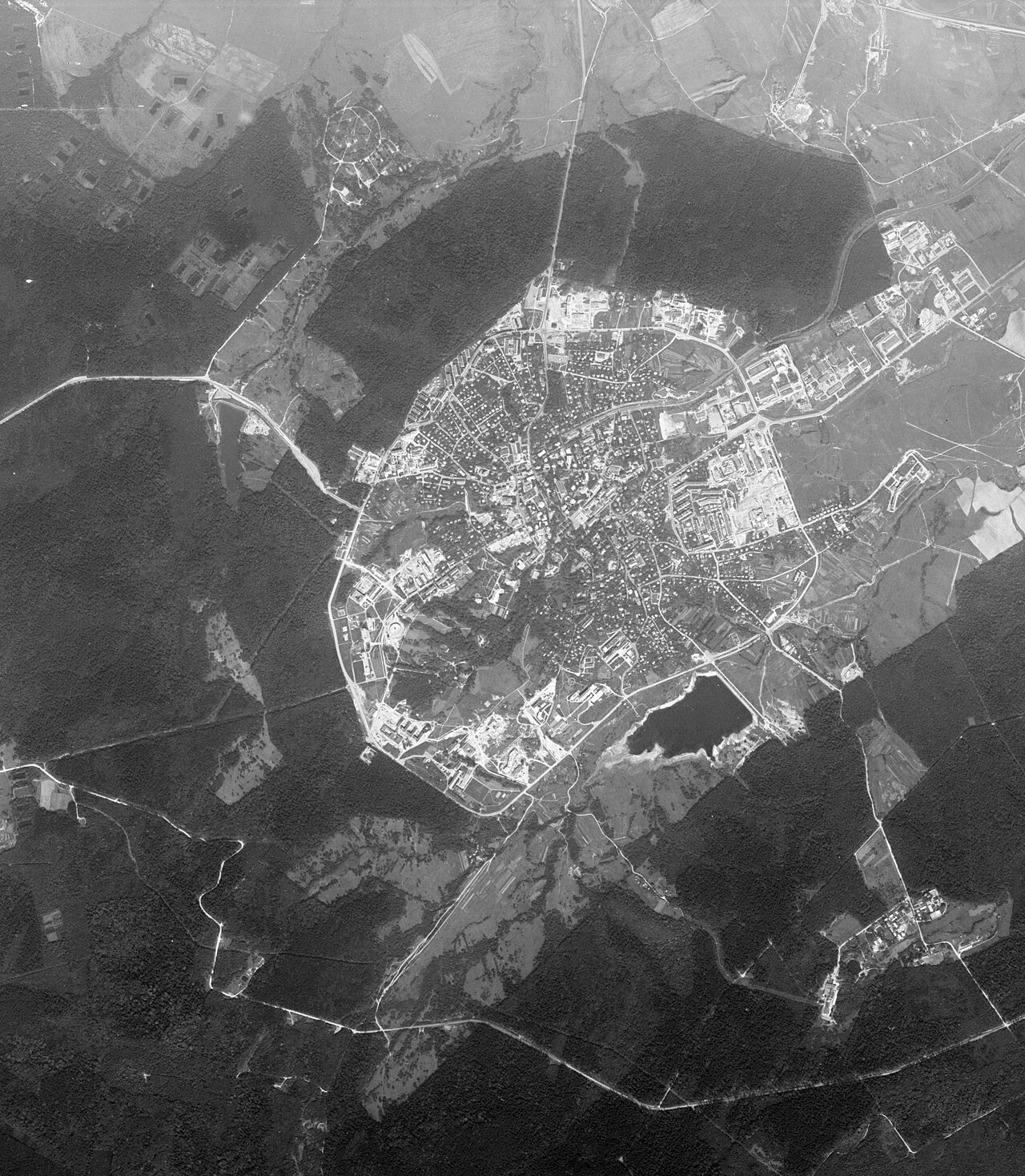
The last part of our series covers the era that physically built most of what you see in Truskavets today — and the three decades that have been quietly rebuilding its spirit.
A new order
After 1945 Truskavets found itself in the Soviet Union. Private villas and pensions were nationalised and merged into state sanatoriums run by ministries and trade unions. In 1948 Truskavets officially received city status, recognition that the former village had become an industry.
The scale of that industry grew staggering. Moscow classified Truskavets as a resort of all-Union significance: enormous concrete sanatoriums rose around the old spa park — hundreds of beds each, with their own clinics, cinemas and dining halls the size of factories. Trade-union vouchers (putyovky) sent workers here from Vladivostok to Riga. By the 1970s–80s the resort processed on the order of 400,000 patients a year, and the town's permanent population grew tenfold from its pre-war size.
Soviet medicine took the waters seriously. Research institutes studied Naftusia's effect on kidneys and metabolism; a standardised 24-day treatment course was defined — diagnostics, a strict drinking schedule, mineral baths, ozokerite applications from nearby Boryslav, diet tables numbered 1 through 15. Much of that methodology is still the backbone of a sanatorium stay today.
The 1990s: the machine stalls
Independence in 1991 broke the voucher pipeline overnight. Sanatoriums stood half-empty; some decayed, some were privatised. The town survived on its reputation and on guests from the former USSR who kept coming out of habit and faith in the water.
Reinvention
The 2000s brought private capital and a new model: the spa hotel. Rixos-Prykarpattya (opened 2004) showed that Truskavets could compete at the five-star level; Mirotel and others followed. The old sanatoriums renovated floor by floor. The clientele diversified — Kyiv professionals on detox weekends, Polish tourists rediscovering their grandparents' Truskawiec, guests from the Gulf states, IT workers on remote-work "workations".
Since 2022, full-scale war has redrawn tourism in Ukraine once more. Truskavets, in the far west of the country, became both a refuge and one of the few resorts still receiving guests — including many internally displaced families who found more than a holiday here.
What remains
Walk the town today and all three eras stand side by side: a carved 1900s villa, a brutalist sanatorium slab, a glass spa tower — all within a five-minute walk of the same pump room where it all began. Few places wear two centuries of history so openly. That, as much as the water, is the reason to come.